Schools & Education
Van Dyke Schools Reports Progress in Chronic Absenteeism Fight, Extends Partnership
By Staff · July 24, 2026
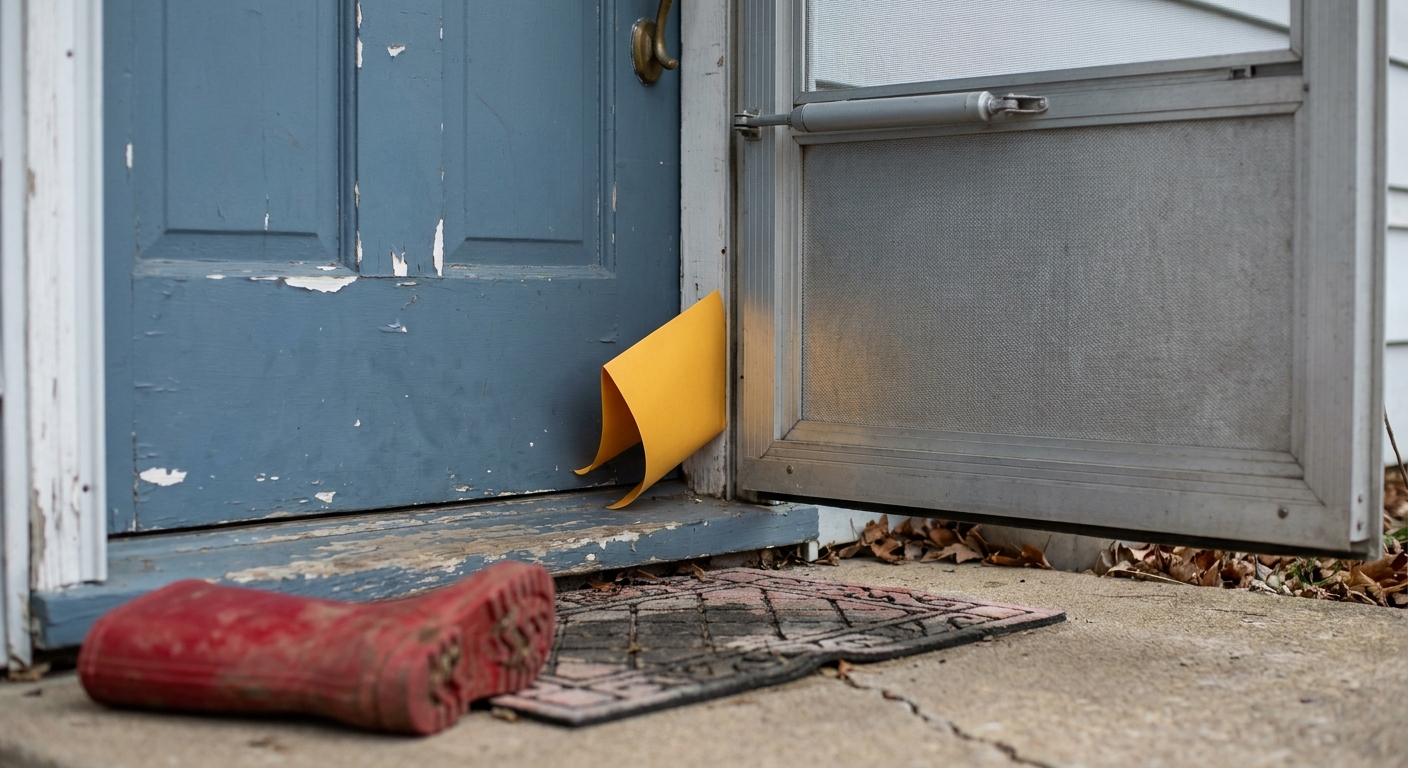
Van Dyke Public Schools renewed its partnership with Concentric Educational Solutions in May 2026 after reporting year-over-year declines in chronic absenteeism at Lincoln High School and Lincoln Middle School.
The district, located at 23500 MacArthur Blvd. in Warren, serves southeast Warren and part of Center Line. Its work with Concentric covers Lincoln Middle and Lincoln High, where community-based teams visit families, identify barriers keeping students out of class, and connect them with support.
At Lincoln High, the share of students considered chronically absent fell from 64 percent in 2023–2024 to 58 percent in 2024–2025. Lincoln Middle's rate declined from 59 percent to 50 percent over the same period.
Those figures show progress, though half or more of the students at each school still met Michigan's definition of chronically absent: missing at least 10 percent of possible school days, or about 18 days in a typical 180-day year. Chronic absenteeism is a strong predictor of lower academic performance, including falling behind in reading and math and, in older grades, worse graduation and college-readiness outcomes.
The renewed effort also carries into a change in district leadership. Dr. Major E. Mickens became superintendent on July 1, 2026. Piper Bognar, who led the initiative and said the district was committed to working with community and family stakeholders to remove attendance barriers, retired June 30, 2026.
"Every Student, Every Day, No Matter What," Piper Bognar, former superintendent, said.
Home visits focus on barriers behind absences
Concentric Educational Solutions uses trained community members, called Professional Student Advocates, to conduct home visits, identify academic, social, emotional, and environmental barriers to attendance, and re-engage families. Schools identify students with significant absenteeism and coordinate with Concentric to determine who should receive visits. During those visits, teams speak with parents, guardians, or students about barriers that can include housing, health, trust, transportation, and other family circumstances.
Those issues can be particularly difficult for working families when parents are juggling multiple jobs or lack the resources to resolve transportation and other attendance problems. Van Dyke's strategy also includes summer outreach and relationship-building intended to address absenteeism before the school year begins.
Concentric uses ethnographic and root-cause research to interpret patterns in what families report and turn those findings into attendance interventions. The company describes the approach as a shift away from a compliance or enforcement mindset and toward a partnership model designed to rebuild trust between schools and families.
Partnership cost and expansion remain unclear
The district has not publicly disclosed the cost of the Concentric partnership, the source of the funding, or how officials are weighing that expense against potential attendance gains.
Chronic absenteeism does not directly reduce the district's per-pupil foundation allowance. Michigan's state school aid formula is based on pupil membership counts — enrolled students — rather than daily attendance. The state's per-pupil foundation allowance for fiscal year 2025–26 was $10,050, up from $9,608 the prior year. Still, for taxpayers, the district's spending on community-based interventions must be weighed against the long-term costs associated with low graduation rates and students unprepared for postsecondary success — outcomes predicted by chronic absenteeism.
Van Dyke operates six schools: Lincoln High, Lincoln Middle, Lincoln Elementary, Carlson Elementary, McKinley Elementary, and Kennedy Early Childhood Center. The Concentric partnership currently covers only the two Lincoln campuses, and district officials have not announced plans to expand the model to the four elementary schools.