Government
Warren Council Moves to Halt Data Center Development with Temporary Moratorium
By Staff · July 21, 2026
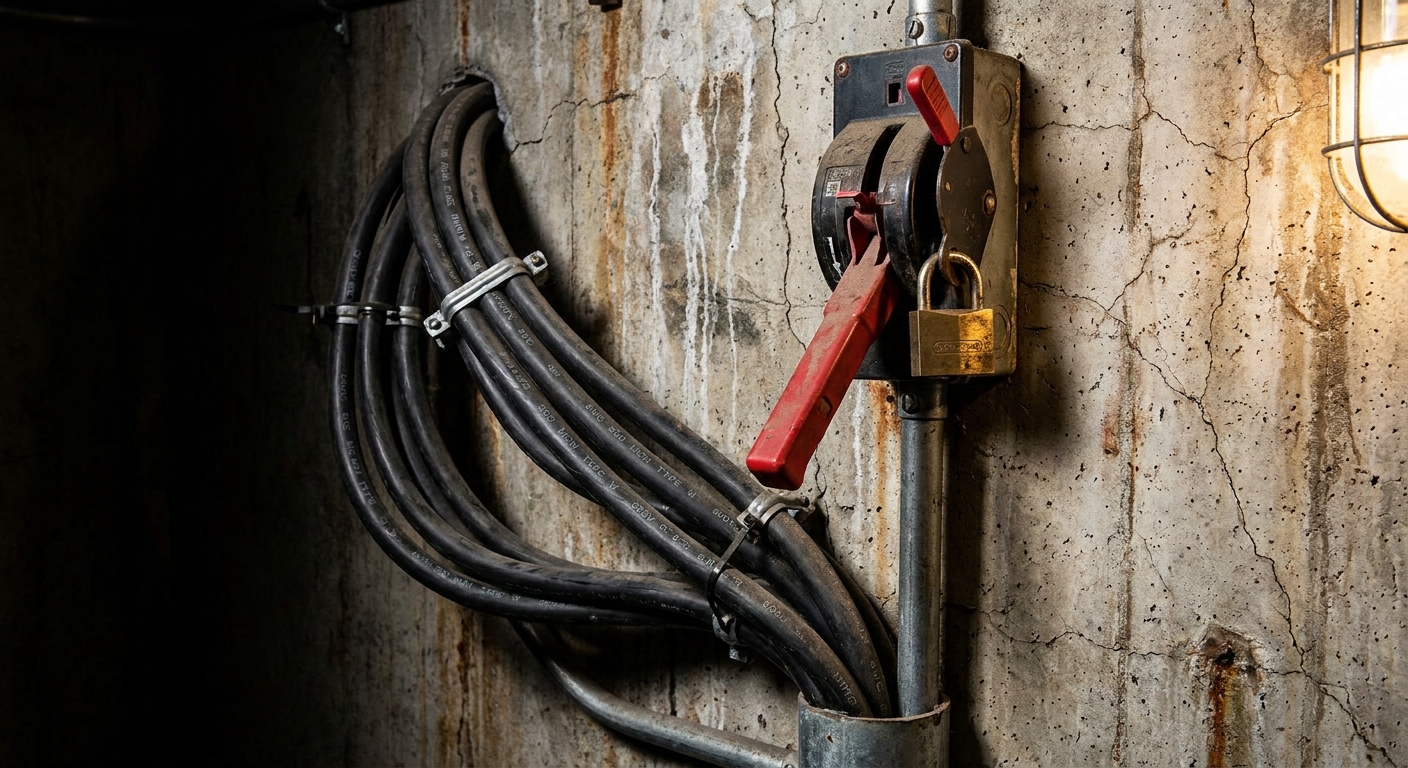
Warren's industrial land and electrical capacity are at the center of a City Hall push to stop data-center development before a project can claim space and resources the city may need for other priorities.
On July 15, the council unanimously directed its attorney to draft a temporary moratorium on data-center facilities. A formal vote is expected at the council's July 28 regular meeting. The proposed pause would stop the acceptance, processing, approval, and development of new data-center projects on industrial land while the city reviews and updates its zoning rules.
That matters because Warren's zoning code does not currently address data centers specifically. The city would be joining a growing list of communities taking a wait-and-see approach: At least 52 Michigan communities had enacted temporary data-center moratoriums as of June 2026.
Council Secretary Mindy Moore, who represents District 3, brought the request forward after recent storms sharpened concerns about whether Warren's electrical system can handle another major draw on power. Storms on July 3 knocked down more than 60 power lines in Warren, highlighting weaknesses in the city's aging electrical infrastructure.
"Any proposed data center facility would place a tremendous additional strain on the electrical grid," Mindy Moore, Warren City Council Secretary, said.
Moore argued that a pause is needed so Warren can update zoning ordinances to address facilities that consume enormous amounts of electricity before new projects are approved. As of July 2026, no company has approached Warren about developing a data center, according to city officials, but the council's preemptive move signals an intent to control the terms of any future proposal rather than react after a developer files plans.
For residents, this is not merely another debate over an industrial site. Data centers are buildings packed with servers and computing equipment that store, process, and distribute information for cloud services, artificial intelligence, and online platforms. They are also heavy users of power and water.
U.S. data centers consumed 183 terawatt-hours of electricity in 2024, about 4.5% of all electricity used in the country. Their electricity use is projected to more than double by 2030, reaching about 426 terawatt-hours. In 2023, U.S. data centers directly used about 17 billion gallons of water.
What they do not necessarily bring is the kind of large on-site workforce Warren residents associate with industrial development. Data centers are highly automated and require minimal on-site staff for maintenance and security.
Warren already has an industrial and technical identity worth protecting. GM's Global Technical Center is a core pillar of the city's manufacturing-and-engineering economy. Warren is also home to the U.S. Army Detroit Arsenal, also known as TACOM, which anchors the city's defense manufacturing sector. The city's economy balances high-tech automotive engineering, defense innovation, and advanced manufacturing. Because the proposed moratorium would cover industrial land, any future data center would compete with these manufacturing-related uses for space and utility capacity.
If the council formally adopts the moratorium on July 28, city attorney guidance says Warren would have one year to draft and adopt an ordinance governing data centers. During that time, new data-center projects would be blocked from moving through the approval pipeline. Elsewhere in Michigan, temporary data-center moratoriums generally run from six months to a year.
One issue residents will be watching is who pays if large new users arrive. A pledge from Consumers Energy asks data-center developers to commit that residents will not pay for the energy or water costs associated with new AI-driven projects.
Warren residents should watch for the formal moratorium vote, then monitor the drafting of permanent data-center zoning ordinances over the coming year.